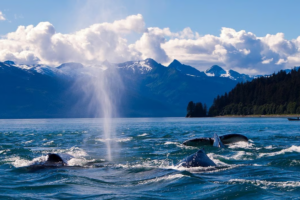

Whale Watching in Alaska: An Unforgettable Adventure Into the Wild
Whale Watching in Alaska: An Unforgettable Adventure Into the Wild
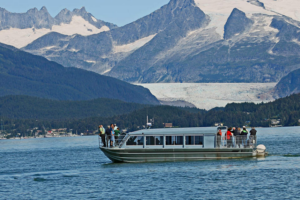
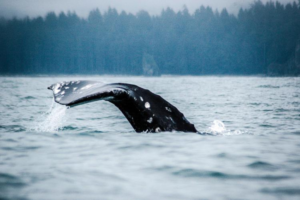
There are few travel experiences as breathtaking as whale watching in Alaska. Imagine standing on the deck of a boat surrounded by towering glaciers, crisp ocean air brushing against your face, when suddenly a massive humpback whale erupts from the water in a spectacular breach. It’s raw, powerful, and unforgettable.
Alaska offers some of the best whale watching opportunities in the world thanks to its nutrient-rich waters, dramatic coastlines, and thriving marine ecosystems. Whether you’re a nature enthusiast, photographer, or simply looking for an extraordinary adventure, Alaska delivers an experience unlike anywhere else on Earth.
Why Alaska Is a Whale Watching Paradise
Alaska’s coastal waters are home to an abundance of marine life. During the warmer months, whales migrate north to feed in the icy waters packed with krill and small fish. This seasonal migration creates prime opportunities for visitors to witness these magnificent giants up close.
The state’s vast coastline, stretching more than 6,000 miles, provides countless viewing locations where whales thrive in their natural habitat. From calm fjords to open ocean passages, every excursion offers the possibility of unforgettable wildlife encounters.
Best Time for Whale Watching in Alaska
The whale watching season in Alaska generally runs from April through September, with peak viewing occurring during the summer months.
- May to June: Excellent for spotting humpback whales returning from migration.
- July to August: Peak season with high whale activity and pleasant weather.
- September: Fewer crowds and continued opportunities to see feeding whales before migration south.
While humpback whales are the stars of many tours, visitors may also encounter orcas, gray whales, minke whales, and even beluga whales depending on the region.
Top Whale Watching Destinations in Alaska
Juneau
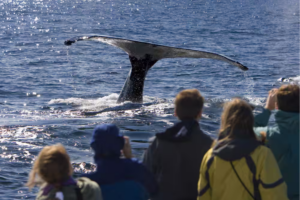
Juneau is widely considered the whale watching capital of Alaska. The nearby waters of Auke Bay and Stephens Passage are famous for humpback whale sightings. Many tours guarantee whale sightings during peak season, making it one of the most reliable destinations.
Beyond whales, visitors often spot sea lions, bald eagles, harbor seals, and porpoises.
Kenai Fjords National Park
Located near Seward, Kenai Fjords offers dramatic scenery filled with glaciers, rugged cliffs, and abundant marine life. Whale watching tours here combine stunning landscapes with opportunities to see orcas and humpbacks.
The park’s icy waters create a truly cinematic backdrop for wildlife photography.
Glacier Bay National Park
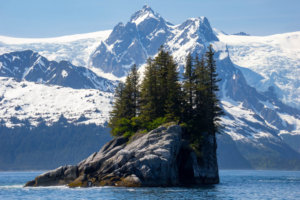
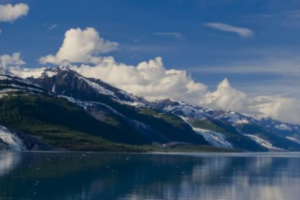
This UNESCO World Heritage Site is one of Alaska’s most pristine marine environments. Glacier Bay provides opportunities to see humpback whales feeding in calm waters surrounded by towering glaciers.
The remoteness and natural beauty of Glacier Bay make every sighting feel magical.
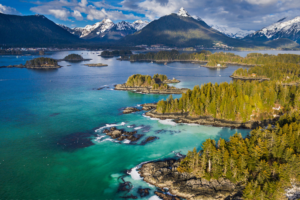
Sitka
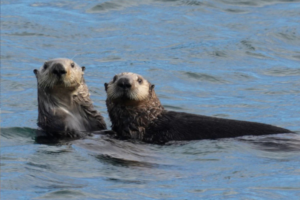
Sitka blends rich Native Alaskan history with incredible marine wildlife. The nutrient-rich waters around Sitka attract humpbacks, sea otters, puffins, and occasionally pods of orcas.
Its smaller crowds make it an excellent destination for travelers seeking a quieter experience.
Types of Whales You May See
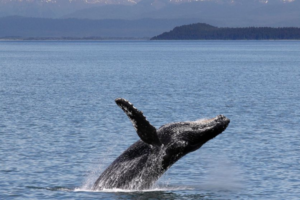
Humpback Whales
Known for their acrobatic breaches and haunting songs, humpbacks are the most commonly seen whales in Alaska. They can grow up to 50 feet long and weigh nearly 40 tons.
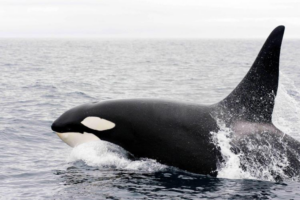
Orcas (Killer Whales)
Orcas are highly intelligent predators often seen traveling in family pods. Their striking black-and-white appearance makes them easy to recognize.
Gray Whales
Gray whales migrate along Alaska’s coast and are often spotted during spring migration.
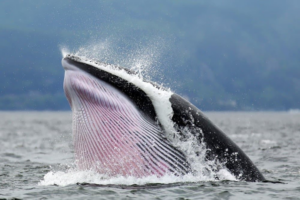
Minke Whales
These smaller whales are fast and elusive but frequently appear during summer tours.
Tips for an Amazing Whale Watching Experience
Dress in Layers
Alaska’s weather can change quickly. Even during summer, temperatures on the water can feel chilly. Waterproof jackets, gloves, and warm layers are highly recommended.
Bring Binoculars and a Camera
While whales sometimes surface close to the boat, binoculars help you spot distant activity. A camera with a zoom lens can help capture unforgettable moments.
Choose Eco-Friendly Tours
Responsible tour operators follow strict wildlife viewing guidelines that protect whales and their habitats. Supporting sustainable tourism helps preserve Alaska’s marine ecosystems for future generations.
Be Patient
Nature is unpredictable. Sometimes the best sightings come after quiet moments of waiting and watching the horizon.
More Than Just Whales
One of the best parts of whale watching in Alaska is the sheer amount of wildlife you may encounter during a single trip. Sea otters floating on their backs, puffins diving for fish, seals lounging on icebergs, and bald eagles soaring overhead all add to the adventure.
Every tour feels like stepping into a nature documentary.
Whale watching in Alaska is more than a sightseeing activity — it’s an emotional connection with the wild. Watching a whale surface beside your boat reminds you just how vast, beautiful, and alive our planet truly is.
Whether you’re cruising through glacier-filled fjords or scanning the horizon from a quiet harbor town, Alaska offers moments that stay with you long after the journey ends.
If you’re searching for an adventure that combines awe-inspiring landscapes, incredible wildlife, and unforgettable memories, whale watching in Alaska deserves a place at the top of your travel bucket list.