

The Best Ways to Stay Connected During International Travel
The Best Ways to Stay Connected During International Travel
Whether you’re traveling abroad for business, working remotely, or taking a well-earned vacation, staying connected has become a necessity rather than a luxury. Reliable mobile service allows travelers to navigate unfamiliar cities, communicate with family and colleagues, access important travel information, and handle unexpected situations with confidence.
The challenge? International roaming fees, unreliable public Wi-Fi, and complicated local SIM card options can quickly turn connectivity into a headache. Fortunately, there are several ways to stay connected while traveling internationally—and some are far better than others.
1. Use an eSIM for Instant Global Connectivity
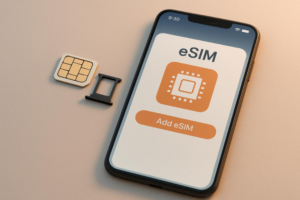
For most travelers today, an eSIM is the easiest and most cost-effective solution.
Unlike traditional physical SIM cards, eSIMs can be activated digitally before or during your trip. This eliminates the need to visit a mobile carrier store, swap SIM cards, or worry about losing your primary SIM.
Benefits of eSIMs:
-
Instant activation from anywhere
-
Coverage in multiple countries
-
Affordable data plans
-
Keep your primary phone number active
-
No physical SIM card required
-
Ideal for frequent travelers and remote workers
Many eSIM providers offer regional and global plans, making it easy to stay connected across multiple destinations without purchasing separate plans in each country.
2. Consider International Roaming Plans
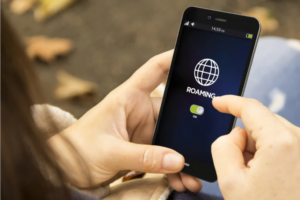
Most major carriers offer international roaming packages that allow you to use your existing phone plan abroad.
While convenient, roaming plans often come with limitations:
-
Higher costs compared to local data solutions
-
Reduced data speeds after usage thresholds
-
Limited coverage in certain regions
For short trips, roaming can be a practical option. However, for extended travel or heavy data usage, travelers often find better value with an eSIM or local data plan.
3. Use Public Wi-Fi Carefully
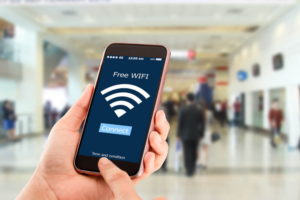
Free Wi-Fi is available in airports, hotels, cafés, and public spaces around the world. While it can help reduce mobile data usage, it should never be your primary connectivity strategy.
Public Wi-Fi Risks:
-
Unsecured networks can expose personal information
-
Slower speeds during peak hours
-
Inconsistent reliability
-
Potential cyber security threats
If you regularly use public Wi-Fi, consider using a VPN (Virtual Private Network) to protect your data and online activity.
4. Buy a Local SIM Card
Local SIM cards can provide excellent coverage and competitive rates in many countries.
However, there are a few drawbacks:
-
Finding a carrier after arrival
-
Language barriers
-
Passport registration requirements in some countries
-
Losing access to your home phone number while the SIM is swapped
For travelers spending several months in a single destination, a local SIM may be worthwhile. For shorter trips or multi-country itineraries, eSIMs generally offer a more convenient experience.
5. Use Messaging and Calling Apps
Apps like WhatsApp, FaceTime, Zoom, Telegram, and Microsoft Teams have become essential travel tools.
These apps allow travelers to:
-
Make voice and video calls
-
Send messages internationally
-
Share locations and travel updates
-
Collaborate with colleagues while abroad
Pairing these apps with a reliable mobile data connection ensures you can stay in touch no matter where your travels take you.
Tips for Staying Connected Abroad
Before you depart, take a few simple steps to ensure a seamless experience:
Check Device Compatibility
Verify that your smartphone supports eSIM technology or is unlocked for international use.
Download Essential Apps
Install maps, translation tools, airline apps, and messaging platforms before leaving home.
Monitor Data Usage
Streaming, video calls, and cloud backups can consume significant amounts of data. Understanding your plan limits can help avoid unexpected charges.
Have a Backup Option
Even with reliable connectivity, it’s wise to have offline maps, printed travel documents, and emergency contact information available.
The Bottom Line
The best way to stay connected during international travel depends on your destination, trip length, and connectivity needs. However, for most modern travelers, eSIM technology provides the ideal combination of convenience, affordability, and flexibility.
By planning ahead and choosing the right connectivity solution, you can spend less time worrying about your phone service and more time enjoying your journey.










[…] Planning your next trip? Read our guides to TSA PreCheck and Global Entry and staying connected during international travel. […]