
2026 Hurricane Season Forecast: What Coastal Communities Need to Know
2026 Hurricane Season Forecast: What Coastal Communities Need to Know
As the 2026 Atlantic hurricane season approaches, meteorologists and climate researchers are already sounding the alarm—not for a record-breaking year, but for a season that could still bring dangerous storms despite predictions of slightly below-average activity.
Early forecasts from Colorado State University (CSU), AccuWeather, and other leading weather agencies suggest that the 2026 season may produce fewer storms than recent years. However, experts continue to emphasize one critical point: it only takes one hurricane making landfall to cause catastrophic damage.

Why Experts Expect a Slightly Quieter Season
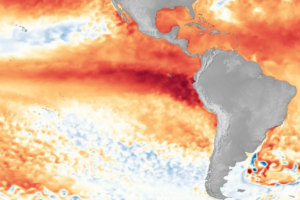
The biggest factor shaping the 2026 hurricane season is the expected development of El Niño conditions in the Pacific Ocean. El Niño typically increases wind shear across the Atlantic Basin, which disrupts tropical storm formation and weakens developing systems.
Colorado State University’s initial April 2026 forecast predicts:
- 13 named storms
- 6 hurricanes
- 2 major hurricanes (Category 3 or higher)
That compares to the historical average of:
- 14 named storms
- 7 hurricanes
- 3 major hurricanes
AccuWeather released a similar outlook, projecting between 11 and 16 named storms for the Atlantic Basin.
While these numbers may seem reassuring, forecasters caution that hurricane seasons are not judged solely by storm counts. A lower number of storms can still produce devastating impacts if even one powerful hurricane strikes a populated coastline.
El Niño Could Change Everything
Forecasters believe El Niño may become moderate or even strong by late summer—the peak of hurricane season.
A strong El Niño generally suppresses Atlantic hurricane development by creating:
- Stronger upper-level winds
- Increased atmospheric instability
- Greater vertical wind shear
These conditions make it difficult for tropical systems to organize and intensify.
However, there’s a catch.
Sea surface temperatures across portions of the Atlantic remain warmer than normal, especially in the western tropical Atlantic and Caribbean. Warm water is the primary fuel source for hurricanes.
This creates a “push-and-pull” environment:
- El Niño tries to weaken storm development
- Warm Atlantic waters try to strengthen it
That uncertainty is why meteorologists are hesitant to label 2026 as a “safe” season.
Lessons From Recent Hurricane Seasons
Recent years have shown how unpredictable hurricane seasons can be.
In 2025, the Atlantic saw:
- 13 named storms
- 5 hurricanes
- 4 major hurricanes
Three storms even reached Category 5 intensity.
Similarly, forecasters in 2023 expected El Niño to suppress activity, yet the season still produced above-average impacts.
That’s why emergency managers consistently warn residents not to focus too heavily on storm totals.
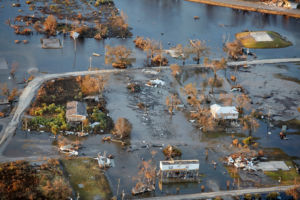
A single slow-moving hurricane can:
- Destroy homes and infrastructure
- Trigger historic flooding
- Cause long-term power outages
- Disrupt local economies for months
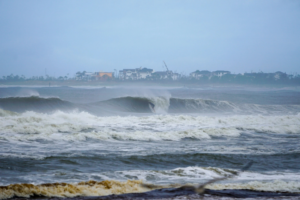
Which Areas Face the Highest Risk?
Although it is still too early to predict exact landfall locations, experts say the Gulf Coast, Florida, and parts of the Southeast U.S. remain especially vulnerable.
Colorado State researchers estimate:
- A 20% probability of a major hurricane landfall along the Gulf Coast
- A 15% probability along the East Coast, including Florida
- Elevated Caribbean risks as well
AccuWeather also noted that direct impacts could occur anywhere from Texas to New England.

Hurricane Preparedness Still Matters
Regardless of forecasts, preparation remains essential.
Experts recommend households:
- Review evacuation routes now
- Replenish emergency kits
- Check insurance coverage
- Secure important documents
- Prepare generators and backup power
- Trim trees and inspect roofs before June
The official Atlantic hurricane season runs from June 1 through November 30, with peak activity usually occurring between August and October.
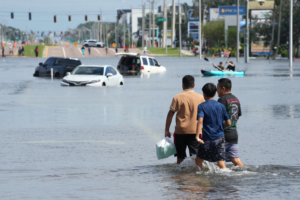
Final Thoughts
The 2026 hurricane season may end up quieter than some recent years, but “below average” does not mean “low risk.”
A strengthening El Niño could reduce overall storm activity, yet unusually warm Atlantic waters leave room for dangerous hurricanes to develop. Forecast models will continue evolving through the summer, and meteorologists expect updated outlooks in June, July, and August.
For coastal residents and businesses, the message is simple: prepare early, stay informed, and never underestimate hurricane season