
How the Government Shutdown Impacts FEMA: Delays, Risks, and Real Consequences
How the Government Shutdown Impacts FEMA: Delays, Risks, and Real Consequences
Natural disasters don’t stop for politics. Hurricanes, wildfires, floods, and severe storms continue to impact communities across the U.S.—even during a government shutdown. But when federal funding halts, the Federal Emergency Management Agency (FEMA) faces serious limitations that can delay disaster relief, strain emergency responders, and disrupt recovery efforts.
In this article, we break down the negative effects of a government shutdown on FEMA, including delayed aid, economic consequences, and reduced disaster preparedness.
What Happens to FEMA During a Government Shutdown?
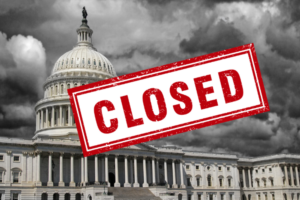
Although FEMA is classified as an essential agency, a government shutdown still reduces its operational capacity. Many employees are furloughed, while essential workers are required to continue working without pay.
This creates immediate challenges in:
– Disaster response coordination
– Processing financial assistance applications
– Deploying emergency resources
– Supporting state and local governments
These limitations directly affect how quickly FEMA can respond to disasters and help affected communities recover.
What Happens to FEMA During a Government Shutdown?
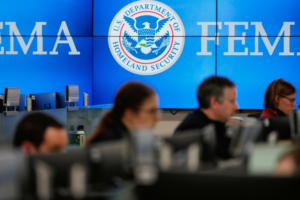
Although FEMA is classified as an essential agency, a government shutdown still reduces its operational capacity. Many employees are furloughed, while essential workers are required to continue working without pay.
This creates immediate challenges in:
Disaster response coordination
Processing financial assistance applications
Deploying emergency resources
Supporting state and local governments
These limitations directly affect how quickly FEMA can respond to disasters and help affected communities recover.
Although FEMA is classified as an essential agency, a government shutdown still reduces its operational capacity. Many employees are furloughed, while essential workers are required to continue working without pay.
This creates immediate challenges in:
Disaster response coordination
Processing financial assistance applications
Deploying emergency resources
Supporting state and local governments
These limitations directly affect how quickly FEMA can respond to disasters and help affected communities recover.
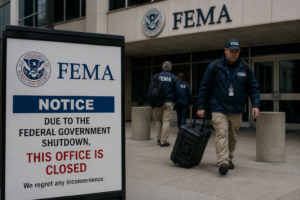
1. Delays in Disaster Relief and Emergency Response
One of the most significant impacts of a government shutdown on FEMA is slower disaster response times.
With fewer staff and limited resources:
Emergency supplies like food, water, and shelter may be delayed
Search and rescue coordination may slow down
Communication between agencies becomes less efficient
For communities facing active disasters, even small delays can lead to greater damage, increased risk to lives, and longer recovery periods.
One of the most significant impacts of a government shutdown on FEMA is slower disaster response times.
With fewer staff and limited resources:
Emergency supplies like food, water, and shelter may be delayed
Search and rescue coordination may slow down
Communication between agencies becomes less efficient
For communities facing active disasters, even small delays can lead to greater damage, increased risk to lives, and longer recovery periods.

2. Slower FEMA Assistance and Claims Processing
After a disaster, many Americans rely on FEMA financial assistance for:
Temporary housing
Home repairs
Medical expenses
Disaster-related costs
During a shutdown, FEMA application processing slows significantly due to staffing shortages. This means:
Families wait longer for aid
Displaced residents remain in temporary conditions
Financial stress increases for already vulnerable households
These delays can turn short-term crises into long-term hardships.
After a disaster, many Americans rely on FEMA financial assistance for:
Temporary housing
Home repairs
Medical expenses
Disaster-related costs
During a shutdown, FEMA application processing slows significantly due to staffing shortages. This means:
Families wait longer for aid
Displaced residents remain in temporary conditions
Financial stress increases for already vulnerable households
These delays can turn short-term crises into long-term hardships.

3. Increased Strain on FEMA Employees and First Responders
A government shutdown places enormous pressure on FEMA staff and emergency responders.
Key issues include:
Working without pay for extended periods
Increased workloads due to staff shortages
Higher risk of burnout and fatigue
This not only affects employee well-being but also reduces the overall effectiveness of disaster response operations.
A government shutdown places enormous pressure on FEMA staff and emergency responders.
Key issues include:
Working without pay for extended periods
Increased workloads due to staff shortages
Higher risk of burnout and fatigue
This not only affects employee well-being but also reduces the overall effectiveness of disaster response operations.
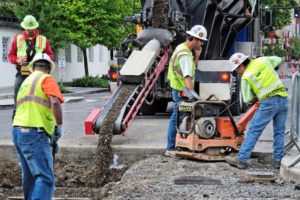
4. Disruption of Disaster Recovery and Infrastructure Projects
FEMA plays a critical role in long-term recovery, including rebuilding infrastructure and supporting community resilience programs.
During a shutdown:
-
Reconstruction projects may pause
-
Hazard mitigation programs are delayed
-
Funding approvals slow down
These disruptions prolong recovery timelines and leave communities more vulnerable to future disasters.
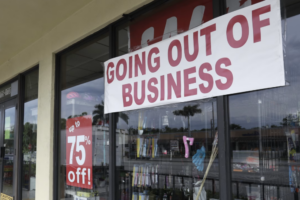
5. Economic Impact on Local Communities
Delayed FEMA funding can have a ripple effect on local economies.
Communities affected by disasters often depend on federal aid to recover. Without timely assistance:
-
Small businesses may close permanently
-
Job recovery slows
-
Housing instability increases
The longer the delay, the greater the economic damage—especially in already struggling regions.
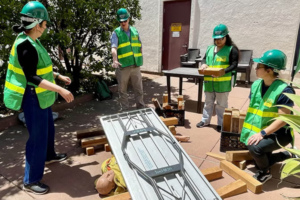
6. Reduced Disaster Preparedness and Readiness
A government shutdown doesn’t just affect current emergencies—it also weakens future preparedness.
FEMA programs that are often impacted include:
-
Emergency training and simulations
-
Community preparedness initiatives
-
Grant programs for disaster prevention
This creates gaps in readiness, increasing risks when the next disaster occurs.
7. Loss of Public Trust in FEMA and Government Response
Public confidence is critical during disasters. When FEMA assistance is delayed due to a government shutdown, trust in government response can decline.
This can lead to:
-
Hesitation to seek help
-
Lower compliance with evacuation orders
-
Increased confusion during emergencies
For vulnerable populations, this erosion of trust can have serious consequences.
Why Government Shutdowns Put Disaster Response at Risk
The connection between a government shutdown and FEMA effectiveness is clear: reduced staffing, delayed funding, and operational disruptions all weaken disaster response capabilities.
As climate change increases the frequency and severity of natural disasters, consistent funding for FEMA becomes even more critical.

Conclusion: FEMA Cannot Afford Delays During Disasters
Government shutdowns are more than political events—they have real-world consequences for disaster victims across the United States.
When FEMA operations are disrupted:
-
Disaster response slows
-
Recovery efforts are delayed
-
Communities face greater economic and personal hardship
Ensuring continuous funding for FEMA is essential to protecting lives, supporting recovery, and maintaining national resilience.