
What to Expect from the 2025 Hurricane Season
What to Expect from the 2025 Hurricane Season
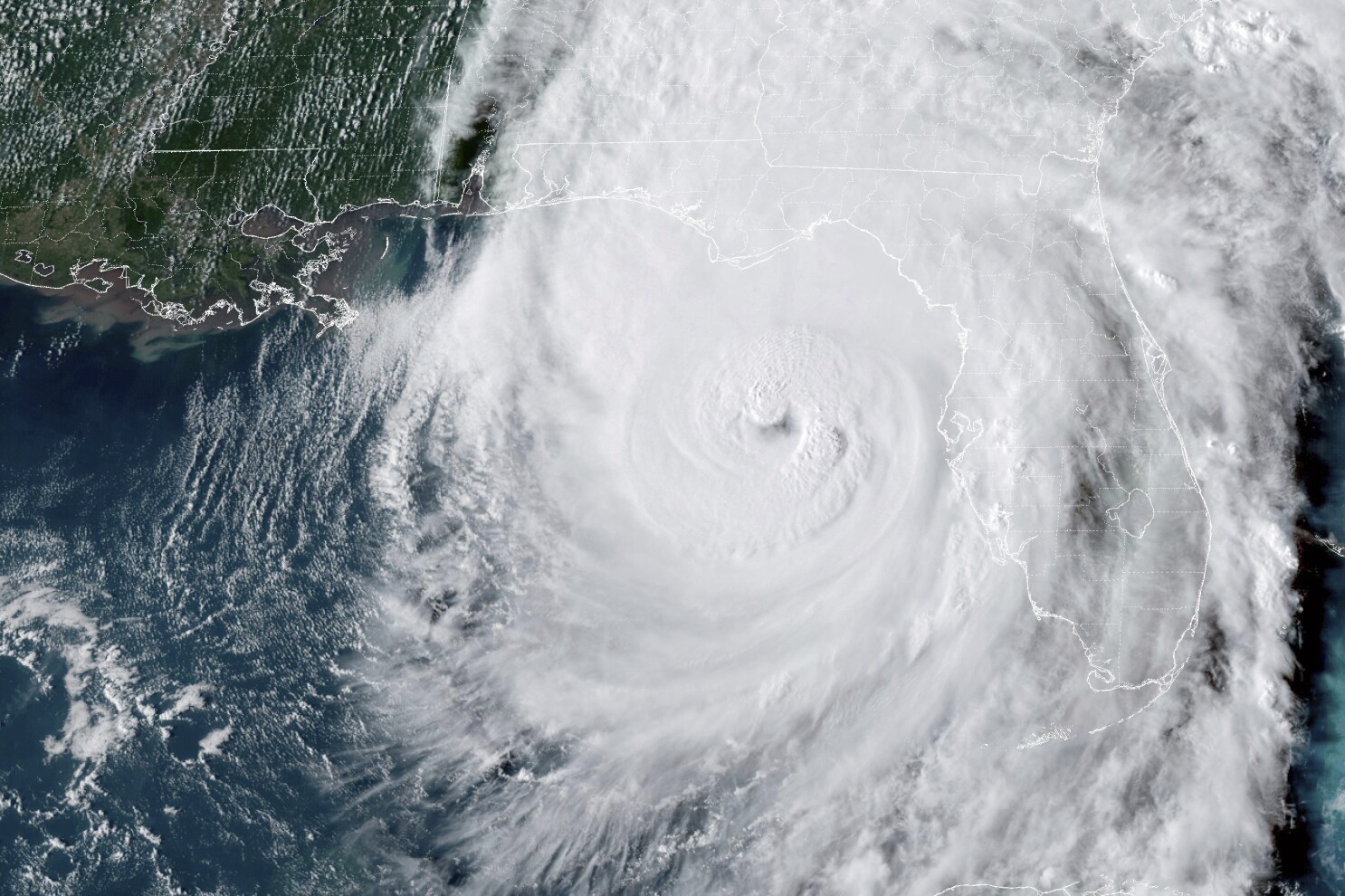
The 2025 Atlantic hurricane season is shaping up to be one of the most closely watched in recent years. With changing climate patterns and record-warm ocean temperatures, forecasters and communities alike are preparing for a potentially active and intense season. Spanning from June 1 to November 30, this period often brings powerful storms to the Atlantic, Gulf of Mexico, and the Caribbean — and early indicators suggest that this year could be particularly impactful.
Warmer Waters Fuel Stronger Storms
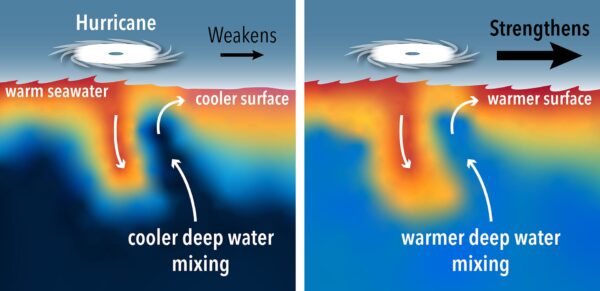
One of the biggest factors influencing the 2025 season is the unusually warm Atlantic Ocean. Hurricanes draw their energy from warm ocean water, and with sea surface temperatures running higher than average, conditions are primed for storms to form more easily and intensify more rapidly. These warmer waters can also extend the range and duration of storms, allowing them to maintain strength longer as they move across the ocean.
Return of La Niña Conditions
The shift toward La Niña — a climate pattern characterized by cooler-than-normal waters in the central Pacific — typically creates an environment more favorable for Atlantic hurricane formation. La Niña reduces wind shear (the change in wind speed and direction with height), which allows tropical systems to organize and strengthen more efficiently. With La Niña expected to be in play during the peak months of the season, forecasters are warning of an above-average number of storms.
Forecast Numbers: More Than Average
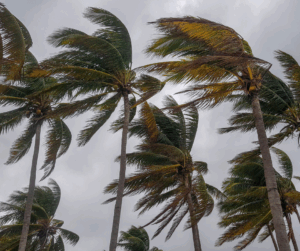
While the exact number of storms can’t be predicted with total accuracy, many meteorologists are anticipating a high count of named storms, hurricanes, and major hurricanes (Category 3 or higher). Several long-range forecasts suggest the possibility of 18–25 named storms, 8–12 hurricanes, and 4–6 major hurricanes. These numbers are well above the historical average and reflect the increasingly active nature of recent hurricane seasons.
Coastal Communities on Alert
Residents along the Gulf Coast, Eastern Seaboard, and parts of the Caribbean are being urged to prepare early. The past few years have shown that hurricanes are not just stronger, but also more unpredictable in their paths and impacts. Rapid intensification, where a storm dramatically strengthens in a short period of time, has become more common, making last-minute preparation risky.
Flooding, storm surge, and power outages continue to be major concerns — especially in low-lying or densely populated areas. Communities are being encouraged to review evacuation plans, strengthen infrastructure, and stay informed throughout the season.
A Focus on Preparedness
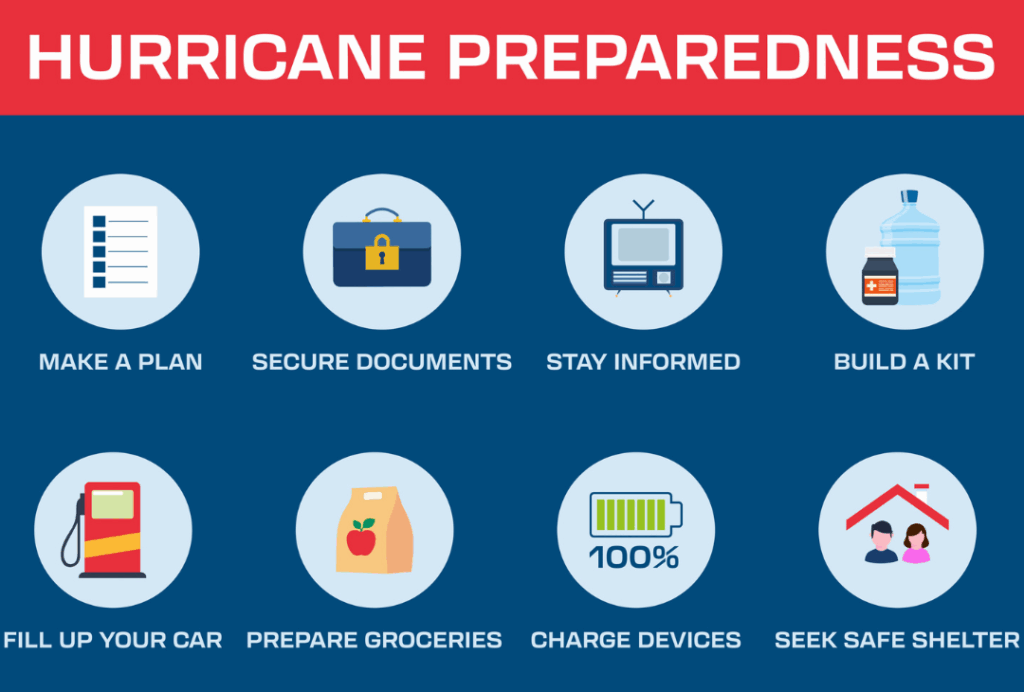
Increased awareness and improved forecasting technology are helping authorities better prepare and respond to storms. Emergency management teams are emphasizing community education, early alerts, and the importance of having a hurricane kit ready. The key takeaway for 2025? Don’t wait. With conditions favoring more and stronger storms, early action could make a life-saving difference.
If you notice any of these, take action immediately.
Final Thoughts
The 2025 hurricane season is expected to be active, with many ingredients lining up for potentially severe impacts. While no one can control the weather, preparedness is the best defense. Whether you live in a coastal area or inland, understanding the risks and making a plan now can help you stay safe when the next storm comes ashore.