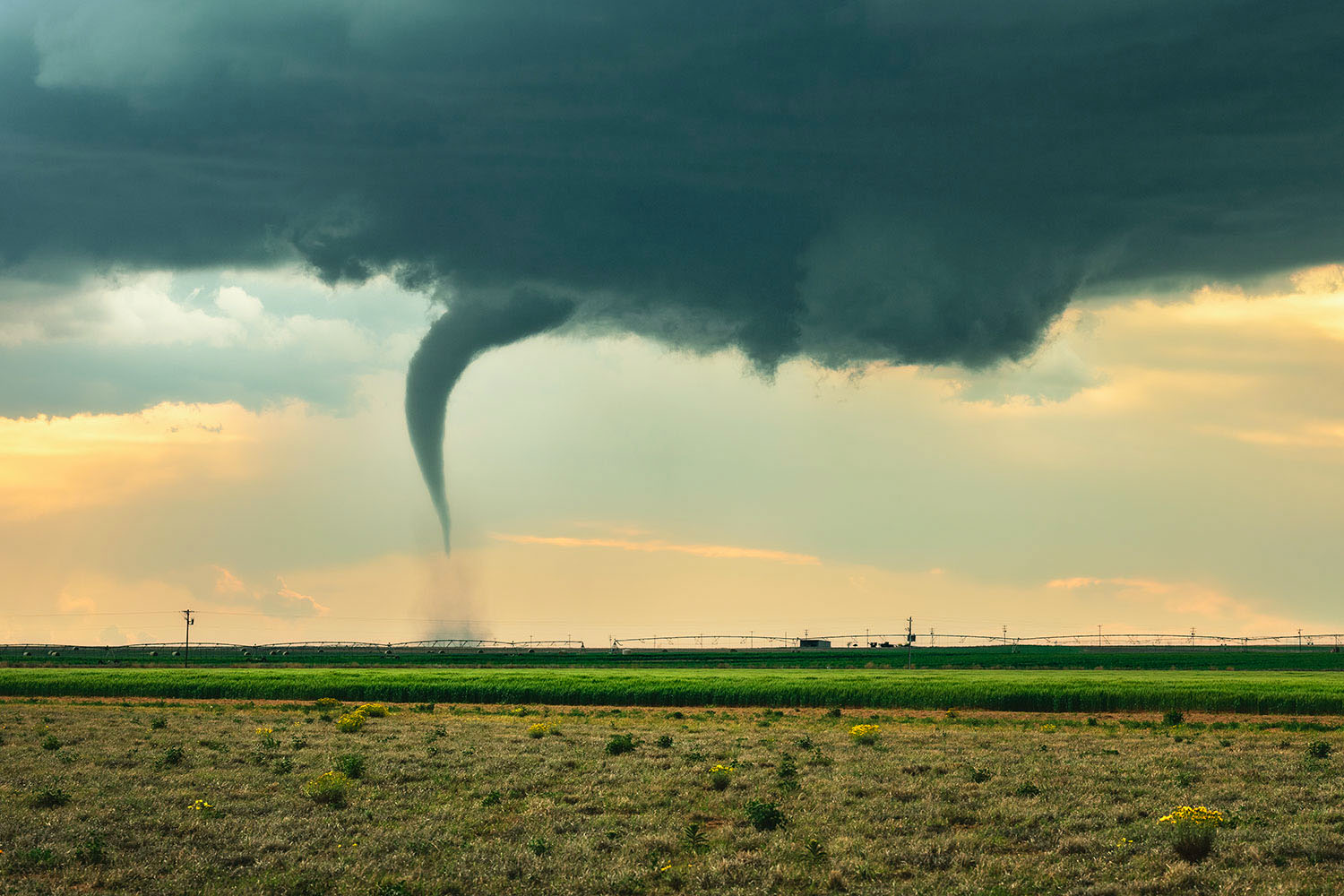

The Ongoing Effect of Hurricane Helene in Western North Carolina
The Ongoing Effect of Hurricane Helene in Western North Carolina
Though time has passed since Hurricane Helene made her mark, the effects in Western North Carolina (WNC) continue to ripple across the region. From saturated mountain slopes to disrupted communities, Helene’s legacy is a vivid reminder that even distant storms can leave long-lasting footprints in the Southern Appalachians.
Lingering Flood Damage
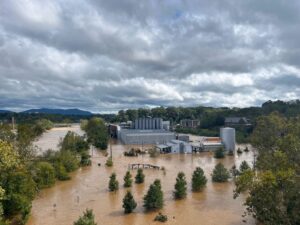
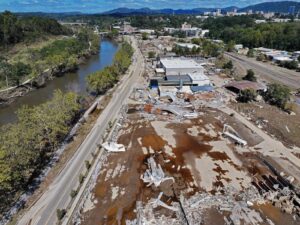
One of the most persistent impacts of Hurricane Helene has been the extensive water damage caused by prolonged, heavy rainfall. WNC’s steep terrain makes it particularly vulnerable to flash flooding, and many creeks and rivers surged beyond their banks during the storm. While the immediate floodwaters may have receded, many communities are still dealing with compromised infrastructure. Washed-out roads, damaged bridges, and weakened foundations remain a concern, particularly in rural mountain areas where resources for repairs are limited.
Landslides and Erosion
Perhaps more insidious than flooding has been the increased risk of landslides. The relentless rainfall during Helene loosened the already fragile soil on hillsides throughout the region. Several slopes gave way in the days and weeks following the storm, damaging homes, blocking access roads, and in some cases, leading to evacuations. Even now, residents in high-risk areas are dealing with shifting ground and the constant threat of further movement, especially after new rain events.

Agricultural Setbacks
The region’s agriculture hasn’t been spared either. WNC’s local farms, particularly those in low-lying valleys, suffered crop losses and soil depletion. Late-season vegetables and fruits were drowned or swept away, impacting both small family farms and larger producers. Recovery has been uneven, with some farmers forced to replant or rethink future harvests. The cascading effect has touched local markets and food supply chains throughout the region.
Emotional and Economic Toll
Beyond the physical damage, Hurricane Helene left an emotional mark. For many in WNC, the storm added to a growing list of natural disasters in recent memory. As rebuilding efforts stretch into months, the mental fatigue and economic stress are weighing heavily on both individuals and entire communities. Homeowners waiting on insurance claims, small businesses dealing with lower foot traffic, and displaced families all carry stories that speak to the storm’s lingering presence.
A Wake-Up Call for Resilience
If there’s a silver lining to Helene’s impact, it’s that communities across WNC are now having more serious conversations about resilience and preparedness. Local governments are reevaluating infrastructure, drainage systems, and emergency plans. There’s a renewed push for sustainable building practices and land use policies that take mountain terrain and climate change into account. Neighbors are organizing, too—forming response groups, sharing resources, and creating networks to better weather the next storm.
While Hurricane Helene may no longer dominate national headlines, her effect in Western North Carolina is far from over. From environmental scars to community resilience, her legacy serves as both a challenge and a call to action for the people who call these mountains home.