
Across the Atlantic: U.S. Cities with British Names
Across the Atlantic: U.S. Cities with British Names
Have you ever passed an American town and thought its name sounded familiar? Many U.S. cities share names with places in the United Kingdom. Some honor hometowns, while others reflect royal titles or hopes for a new community. Together, they tell stories of migration and connections across the Atlantic.
Let's explore examples with links to England, Scotland, and Northern Ireland. Along the way, we'll also see why a shared name does not always mean a direct namesake.
New York, New York (York, England)
Perhaps the most famous example of all, New York was originally called New Amsterdam by Dutch settlers. In 1664, the British seized control of the colony and renamed it in honor of the Duke of York, who later became King James II. York itself is one of England's oldest cities, with nearly 2,000 years of history dating back to Roman times.
Plymouth, Massachusetts (Plymouth, England)
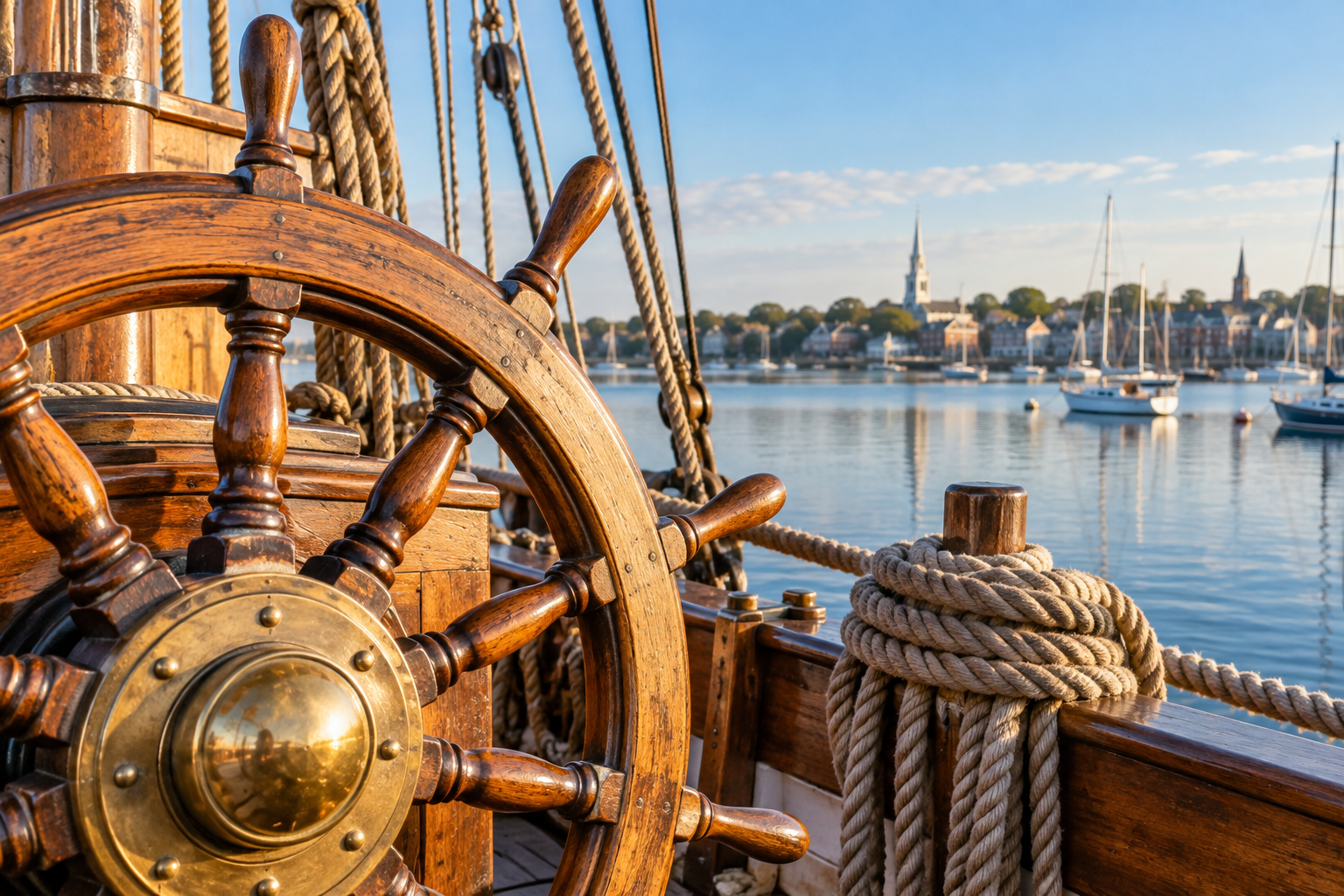
The Pilgrims who arrived aboard the Mayflower in 1620 departed from Plymouth, England, before establishing Plymouth Colony in Massachusetts. Today, both cities proudly celebrate their shared history and remain symbols of early American settlement.
Manchester, New Hampshire (Manchester, England)
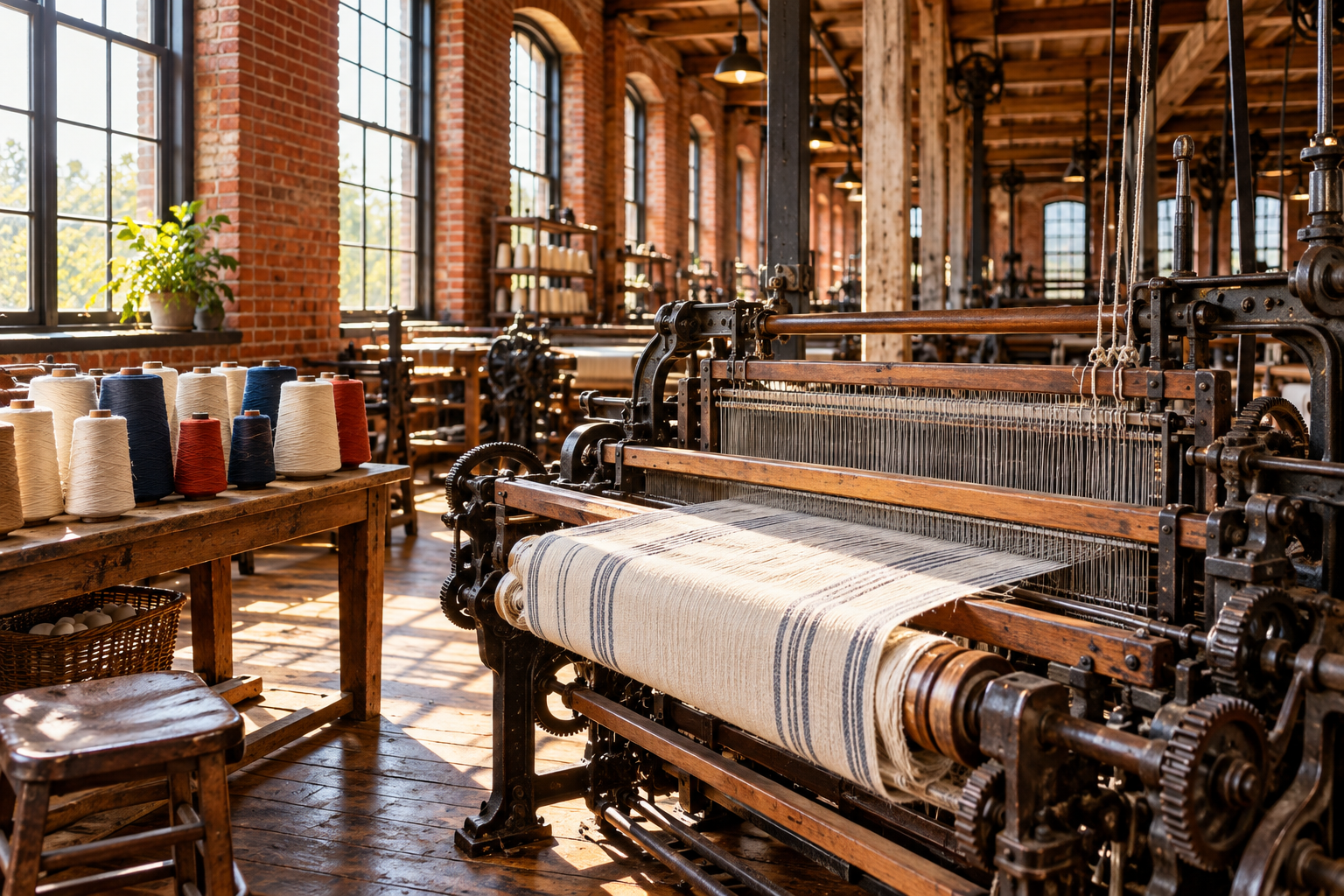
Manchester, England, became a major textile center during the Industrial Revolution. Similarly, New Hampshire industrialist Samuel Blodget hoped to build a manufacturing hub. In 1810, Derryfield adopted the name Manchester to reflect that vision.
Birmingham, Alabama (Birmingham, England)
Birmingham, Alabama, takes its name from the English industrial city. Founded in 1871, it grew during America's industrial boom. Nearby coal, limestone, and iron ore deposits helped its iron and steel industries thrive.
Cambridge, Massachusetts (Cambridge, England)

Home to Harvard University, Cambridge, Massachusetts, was named after the English university city that houses the world-famous University of Cambridge. The connection reflects the early colonists' emphasis on education and intellectual achievement.
Oxford, Mississippi (Oxford, England)
Oxford, Mississippi, borrowed the English university city's name in hopes of attracting a university. That ambition paid off: the state chose Oxford as the university site in 1840. The University of Mississippi was chartered in 1844 and opened in 1848.
Lancaster, Pennsylvania (Lancaster, England)
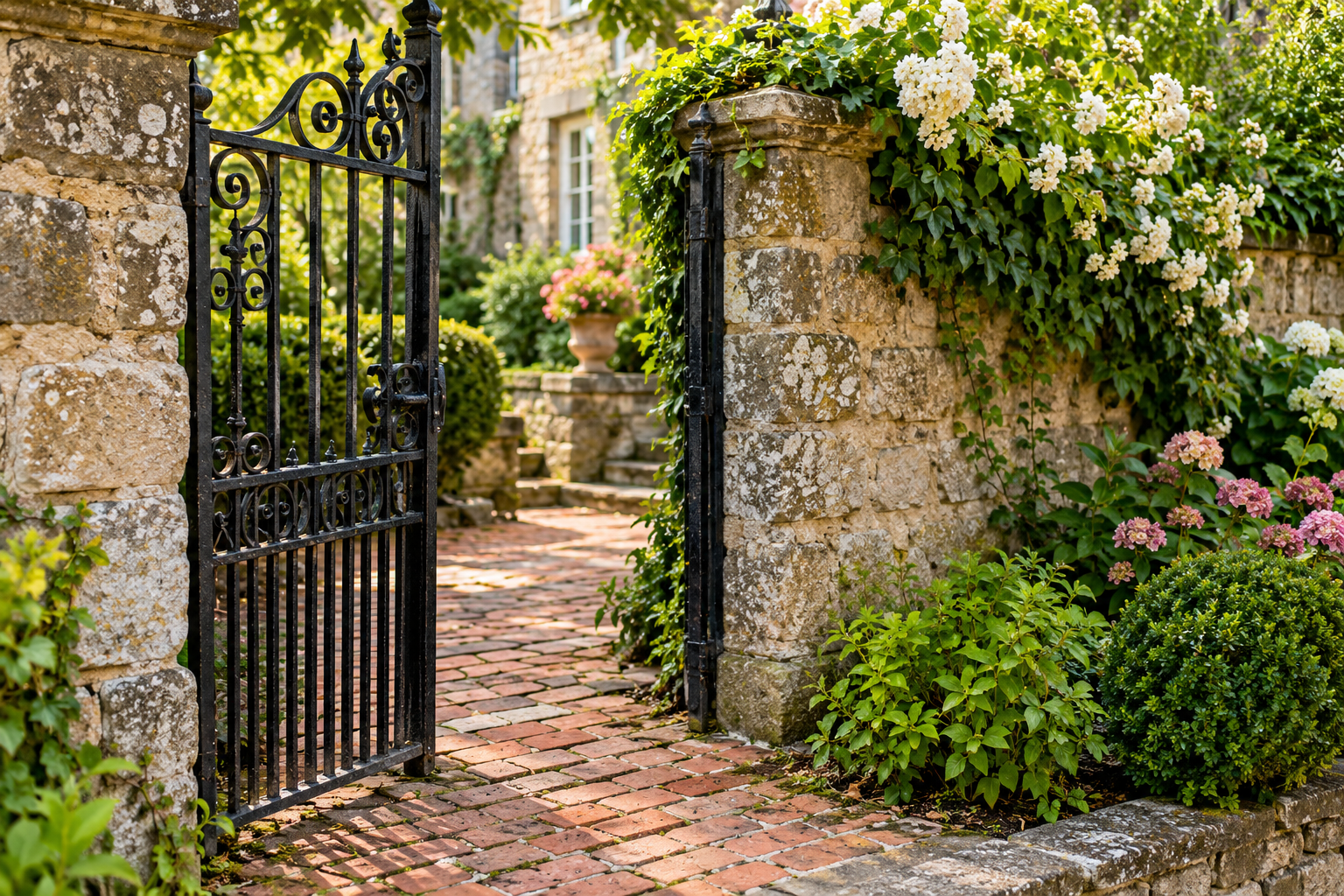
Lancaster, Pennsylvania, takes its name from Lancaster, England. The Pennsylvania town developed in the 1730s and became a borough in 1742. Today, the surrounding region is also known for farming and Amish communities.
Winchester, Virginia (Winchester, England)
Winchester, England, served as the capital of Anglo-Saxon England before London rose to prominence. Its Virginia namesake became an important frontier settlement and later played a significant role during the Civil War.
Richmond, Virginia (Richmond, London)
Richmond, Virginia, takes its name from Richmond upon Thames, an elegant borough in southwest London. According to tradition, settlers thought the view along Virginia's James River resembled the landscape surrounding Richmond Hill in England.
Norwich, Connecticut (Norwich, England)
Founded in 1659, Norwich, Connecticut, honors Norwich in Norfolk, England, one of the country's oldest medieval cities and a major center for commerce during colonial times.
Exeter, New Hampshire (Exeter, England)
Named after the historic cathedral city in Devon, Exeter, New Hampshire, was settled in 1638 and later became an important Revolutionary War center.
Gloucester, Massachusetts (Gloucester, England)
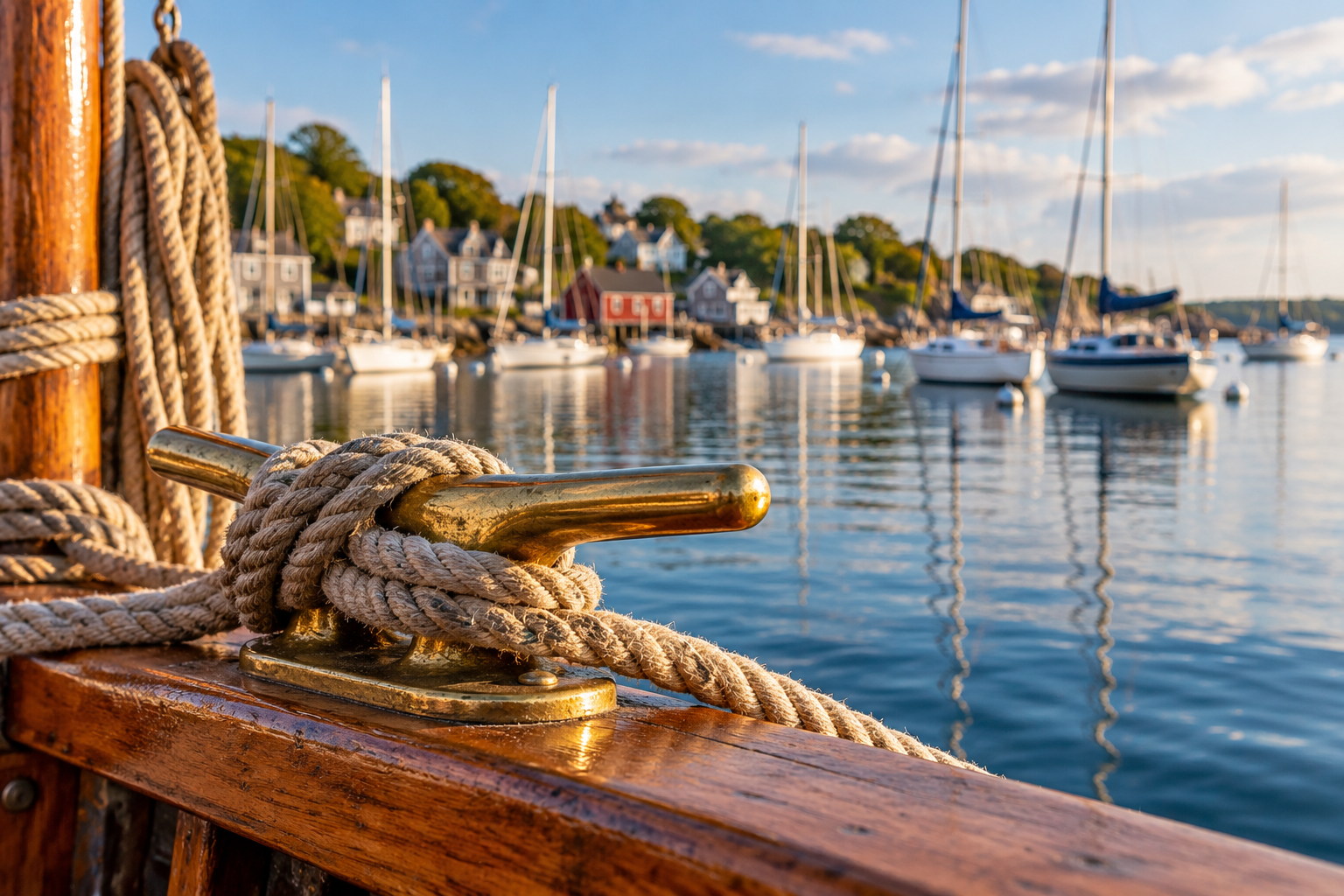
Gloucester, Massachusetts, shares its name with Gloucester, England. However, their settings differ: the Massachusetts city is a coastal fishing port, while the English city sits on the River Severn. The shared name connects two places with distinct histories.
Reading, Pennsylvania (Reading, England)
Reading, Pennsylvania, takes its name from Reading in Berkshire, England. Over time, the Pennsylvania city grew into a transportation and manufacturing hub. Its English namesake is a historic town with a long commercial history.
Chester, Pennsylvania (Chester, England)
One of Pennsylvania's oldest cities, Chester was named after the historic Roman city of Chester in northwest England. Both cities have histories stretching back hundreds of years.
Dover, Delaware (Dover, England)
Named after the famous English port known for its iconic White Cliffs, Dover, Delaware, serves as the state capital and has been an important governmental center since colonial times.
A Shared Name with a Different Origin: Durham, North Carolina
Not every matching name has the same origin. Durham, North Carolina, was named for Dr. Bartlett Durham, who provided land for a railway station. Therefore, it should not be listed as a city named directly after Durham, England.
Windsor, Connecticut (Windsor, England)
Named after the town that is home to Windsor Castle, this Connecticut community is considered the state's oldest English settlement, dating back to 1633.
Aberdeen, Washington (Aberdeen, Scotland)

Aberdeen, Washington, has an indirect Scottish link. According to the city's history, its name came from a local salmon cannery and reflected Aberdeen, Scotland. The Washington community later developed around timber and fishing.
Perth Amboy, New Jersey (Perth, Scotland)
The “Perth” portion of Perth Amboy honors James Drummond, Earl of Perth. Thus, the connection runs through a Scottish title rather than a simple copy of a town name. The “Amboy” portion has Indigenous roots.
Belfast, Maine (Belfast, Northern Ireland)
Named after Northern Ireland's capital city, Belfast, Maine, was incorporated in 1773 and became an important shipbuilding and maritime community.
Why So Many American Cities Share British Names
Between the 1600s and early 1800s, English, Scottish, Welsh, and Irish settlers established thousands of communities across North America. Naming these settlements after familiar hometowns served several purposes:
- Honoring their homeland and heritage
- Recognizing British royalty or noble families
- Bringing a sense of familiarity to a new frontier
- Reflecting aspirations for commerce, education, or industry
As a result, familiar names such as Manchester, Oxford, and London appear in many parts of the United States.
A Lasting Legacy

From New York to Plymouth, these names reveal one part of America's settlement history. However, they are not the whole story. Indigenous place names and the heritage of many other communities also shape the map. Each city has since developed an identity of its own.
For history fans and curious travelers, place names offer another way to explore. Next time you pass through Chester, Cambridge, or Winchester, look into its local history. You may find a connection that reaches across the Atlantic.
Explore the History Behind the Names
Learn more from Manchester’s city history, Lancaster’s historical overview, and Aberdeen’s naming story. You can also read the University of Mississippi’s timeline and Durham’s city history.
For another destination to explore, see our Jackson, Mississippi travel guide.